
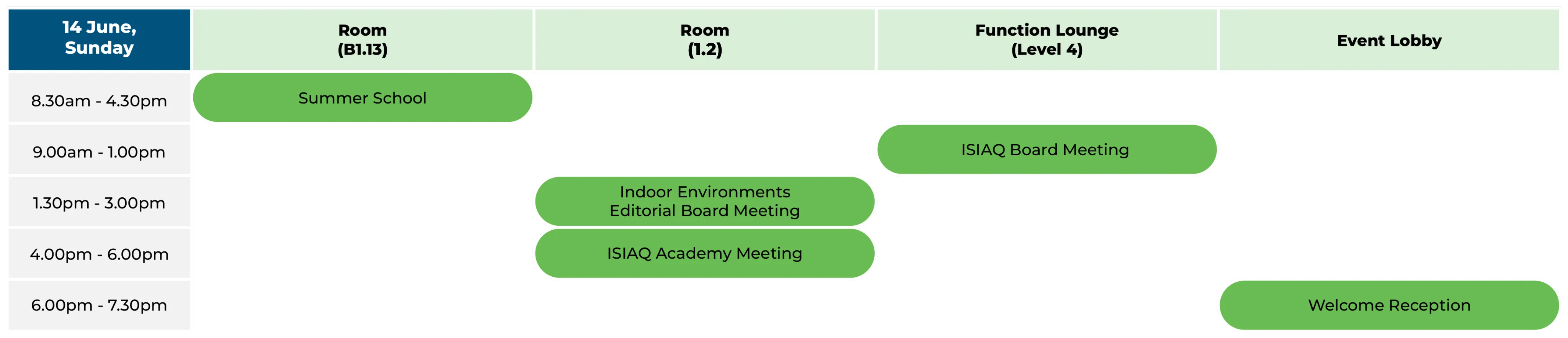
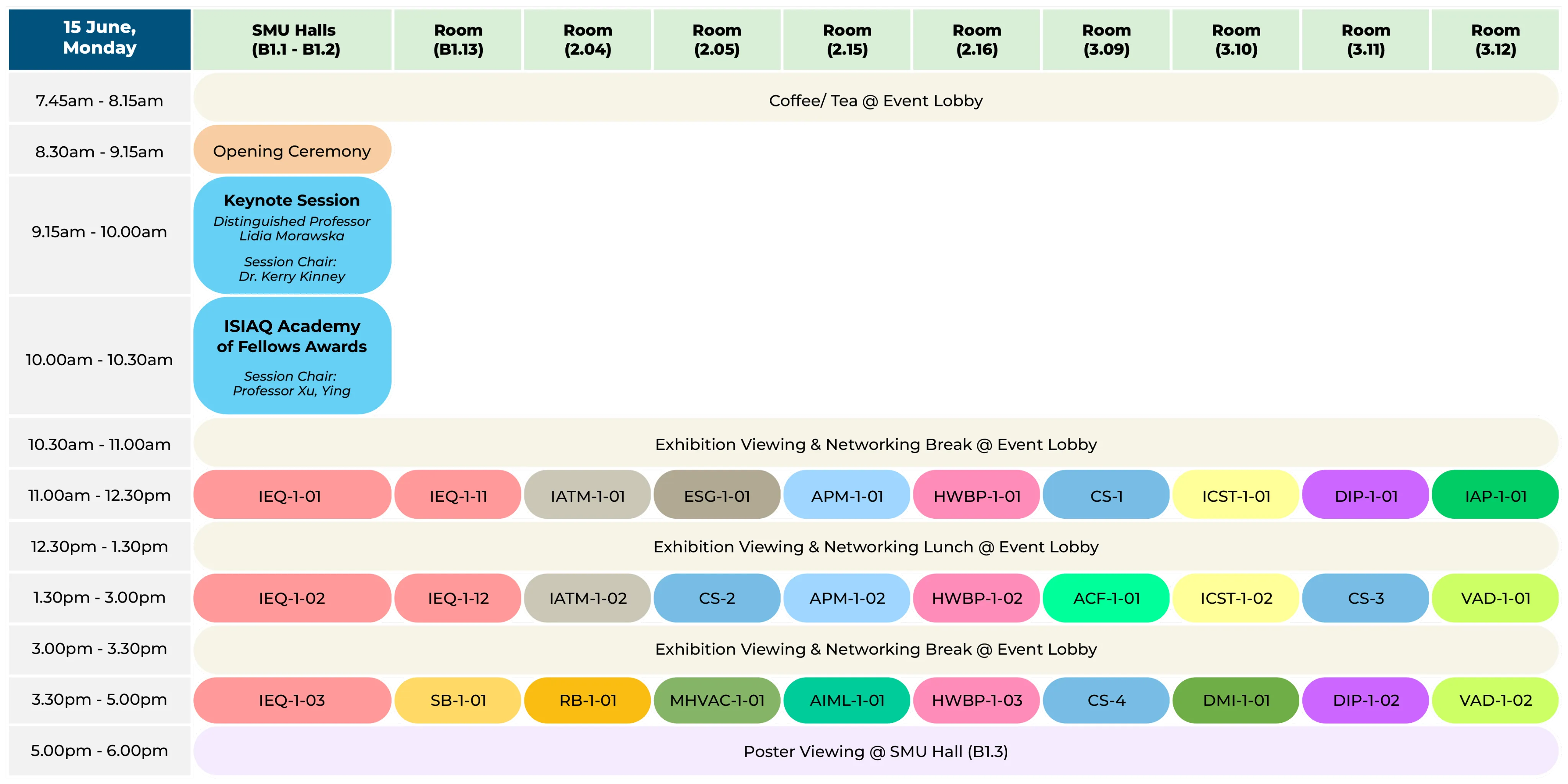
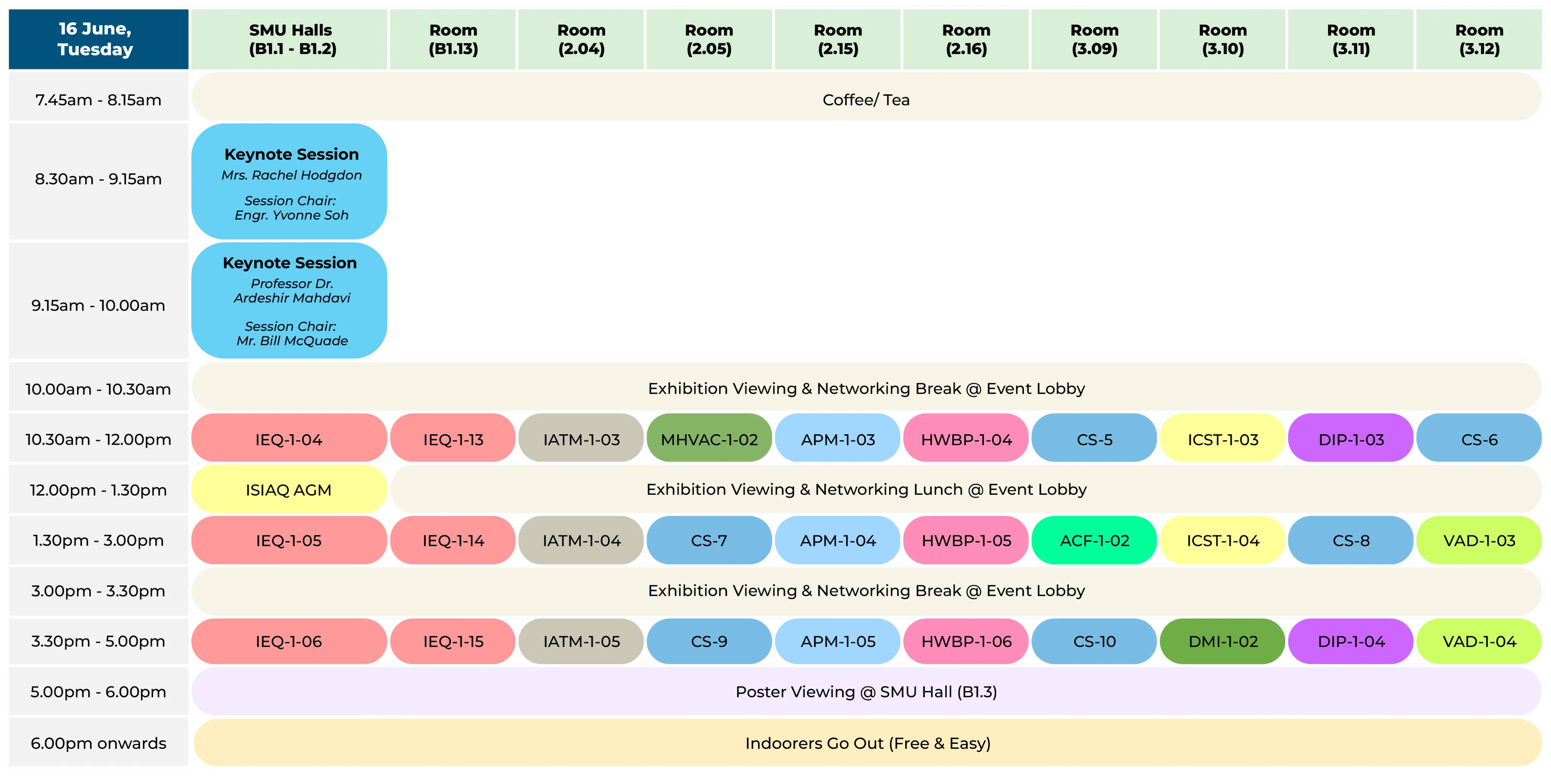
Programme Overview accurate as of 7 June 2026

Technical Visits
Monday, 15 June | 5:30 PM – 7:30 PMEnhance your Indoor Air 2026 experience with our exclusive Technical Tours — designed to bring you beyond the conference halls and into some of Singapore's most innovative and high-performing built environment facilities.
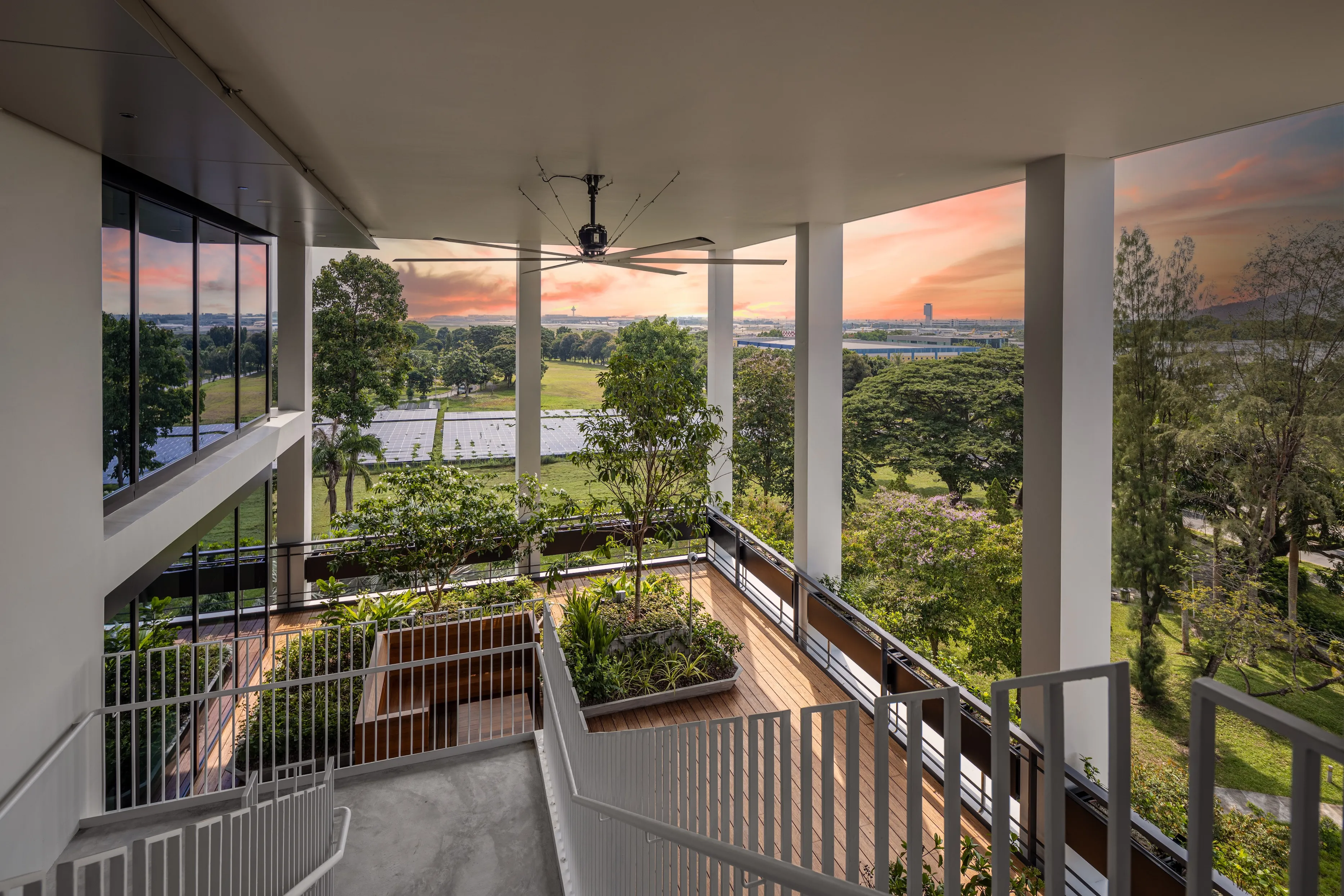
The GEAR: Kajima Lab for Global Engineering, Architecture & Real Estate
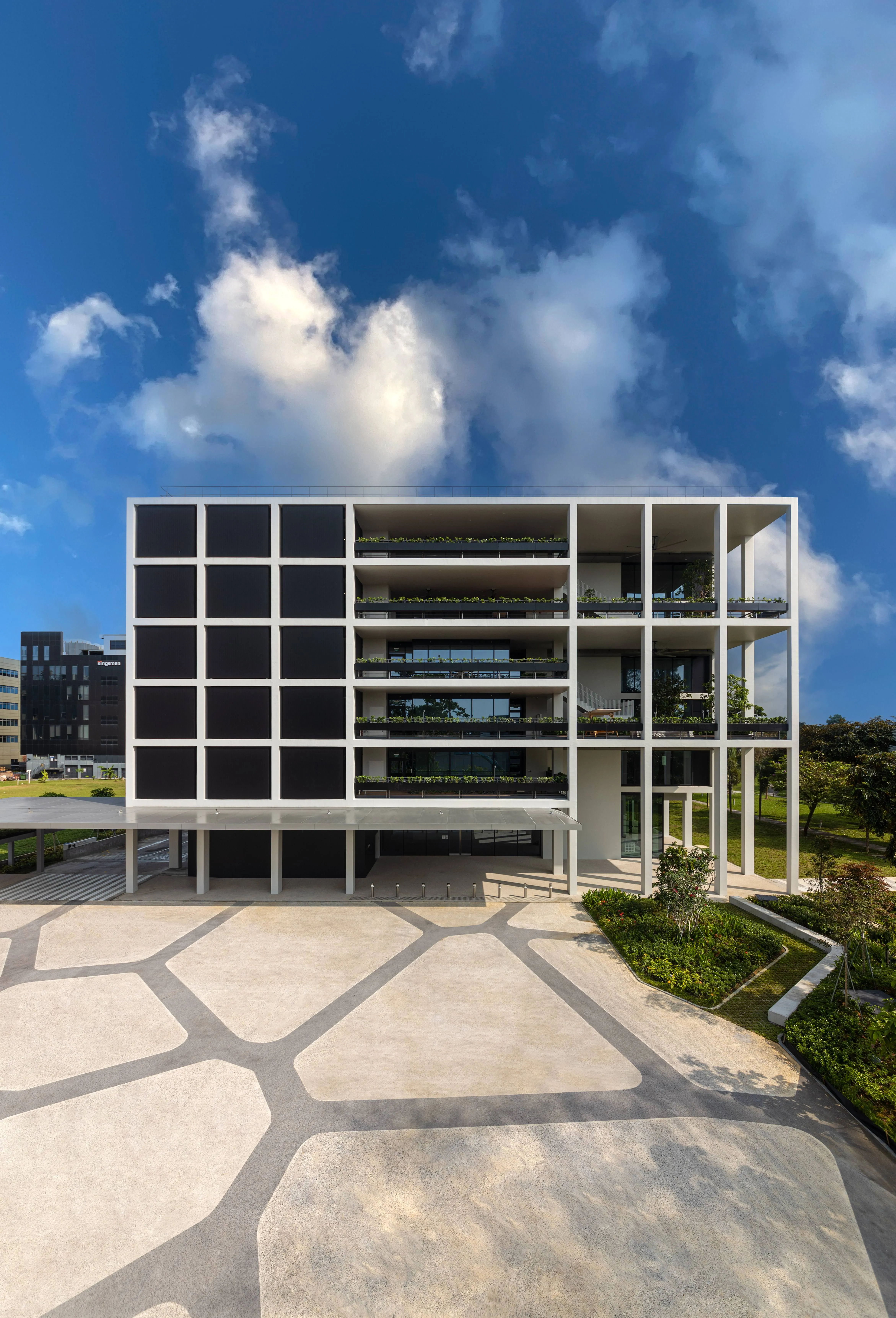
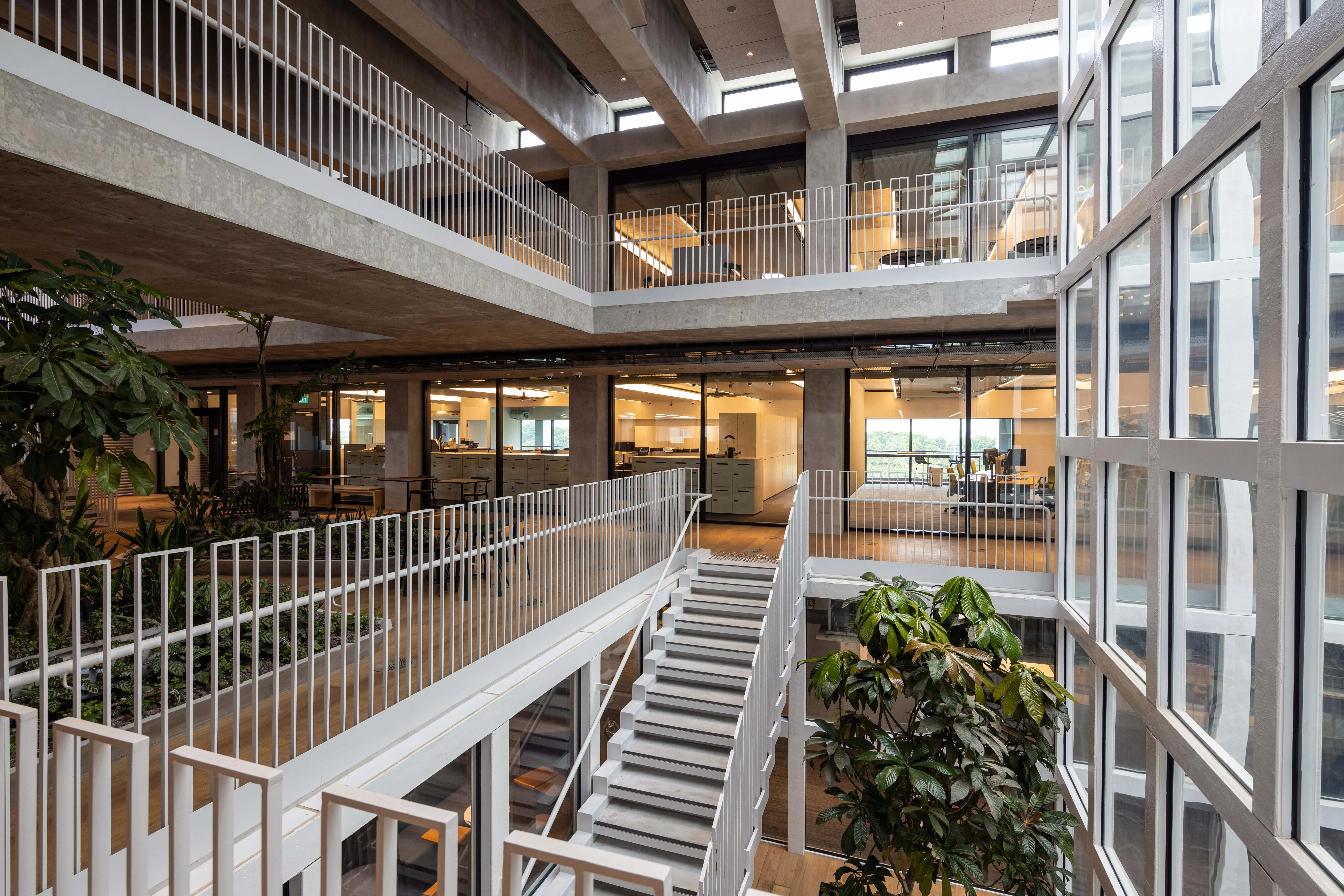
Kajima's first overseas HQ and R&D hub in Southeast Asia, located at Changi Business Park. The six-storey facility supports 400 staff and reflects a $100 million investment in the region. Achieved BCA Green Mark Platinum Super Low Energy, WELL Platinum, and SmartScore Platinum certifications.
Find Out More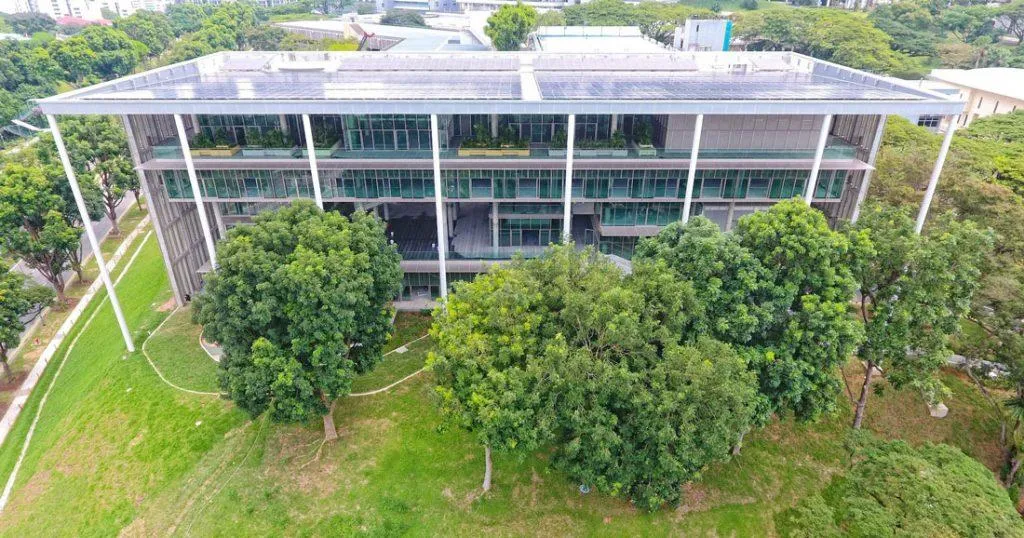
NUS College of Design and Engineering — SDE4 Building
Singapore's first newly built net-zero energy building and a living laboratory for sustainable design. The tour showcases hybrid ventilation, daylighting, energy-efficient systems, advanced sensing and controls, and performance monitoring in a real-world educational setting.
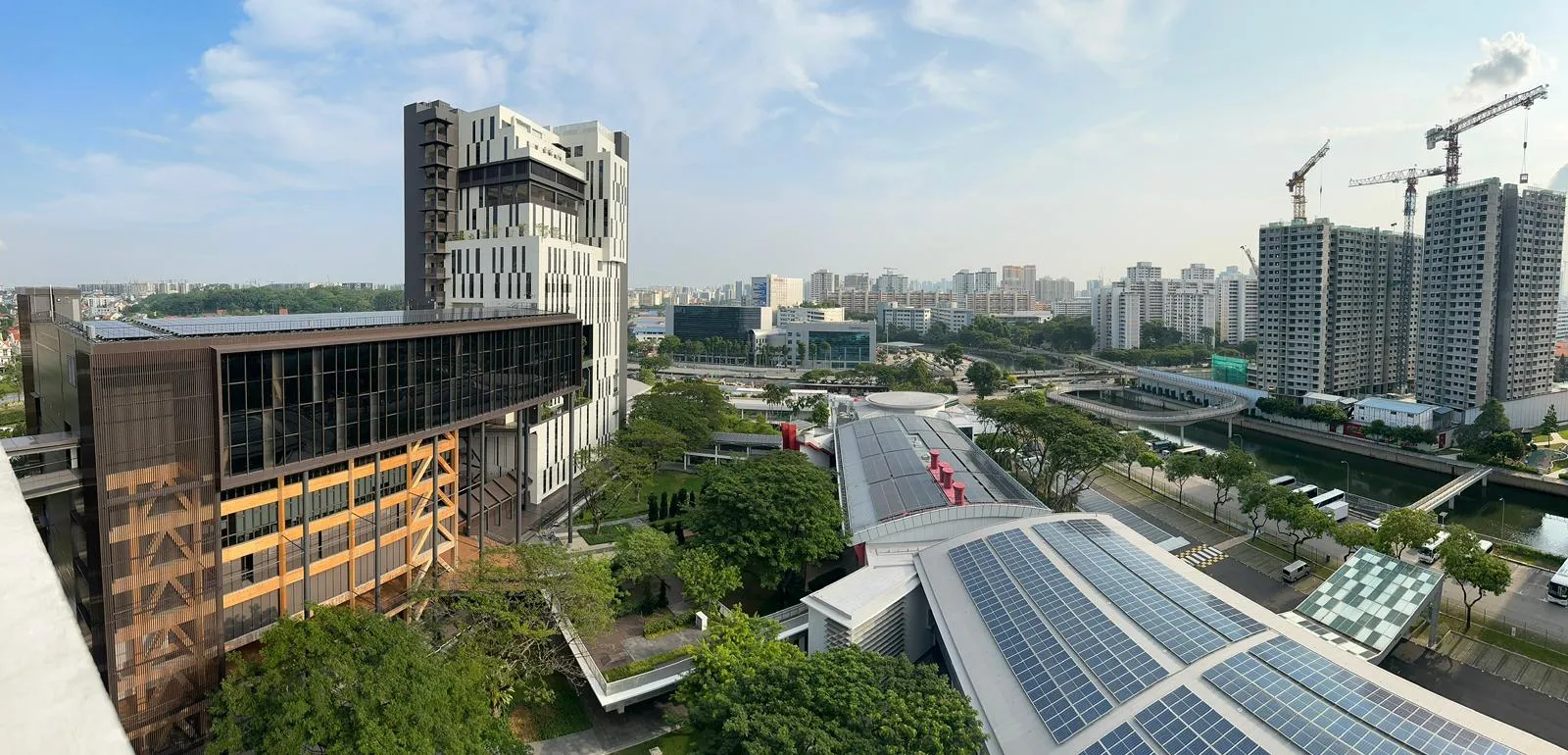
BCA Academy (Braddell Campus)
A living laboratory for Alternative Cooling Technologies (ACTs) under the Built Environment Innovation Hub (BEIH), showcasing four systems: Mixed Mode Ventilation, Hybrid Cooling, Passive Displacement Cooling, and Radiant Cooling — demonstrating energy-efficient comfort in Singapore's tropical climate.
Important Notes
- Each location is limited to a maximum of 40 participants only.
- Delegates may register for one (1) Technical Visit only, as all visits will take place concurrently.
- A no-show penalty of SGD 100 will apply for confirmed participants who do not attend.
- Submission of registration does not guarantee participation.
- Registration is confirmed only upon official confirmation by the Secretariat.
Venue Information
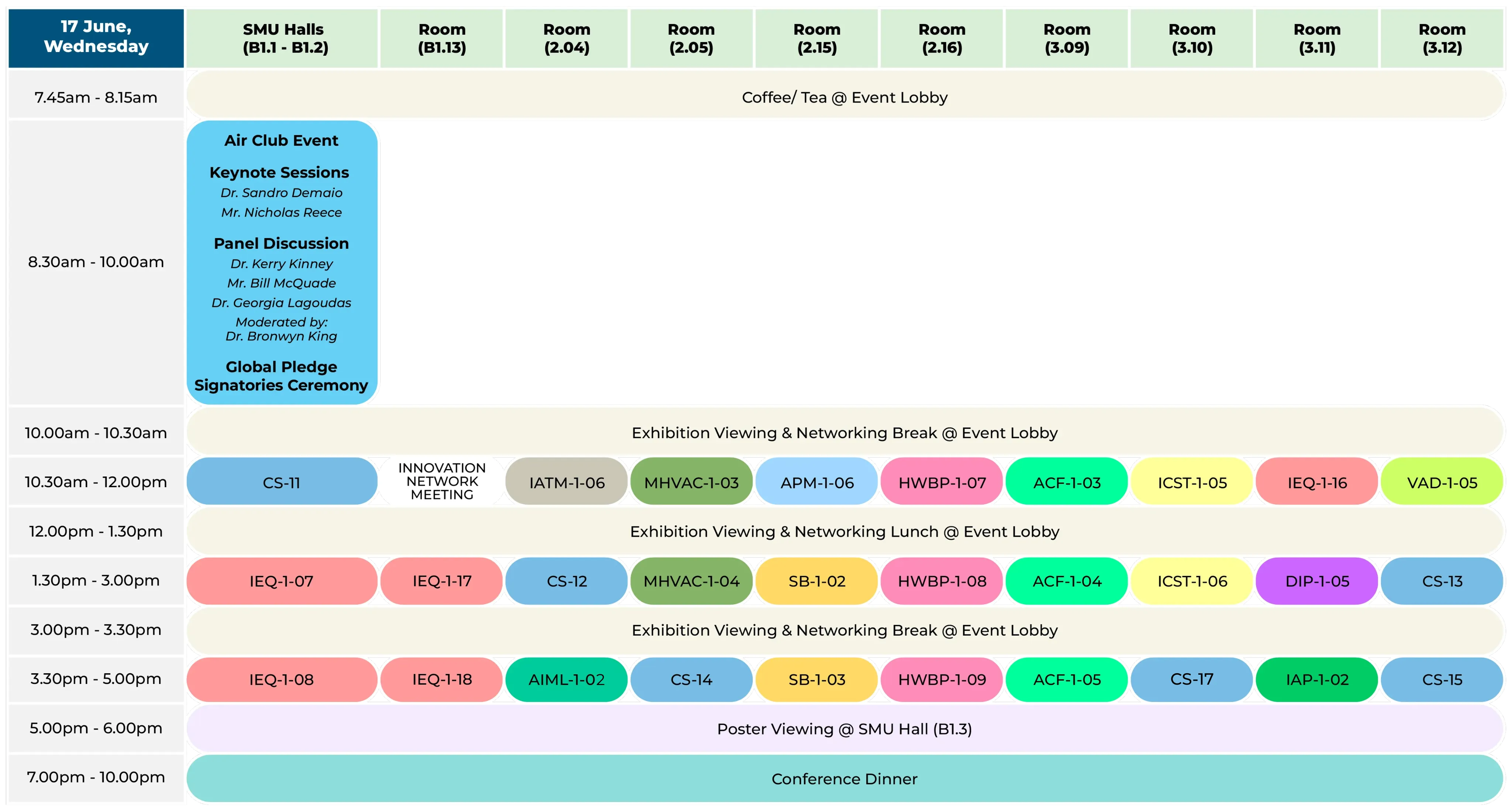
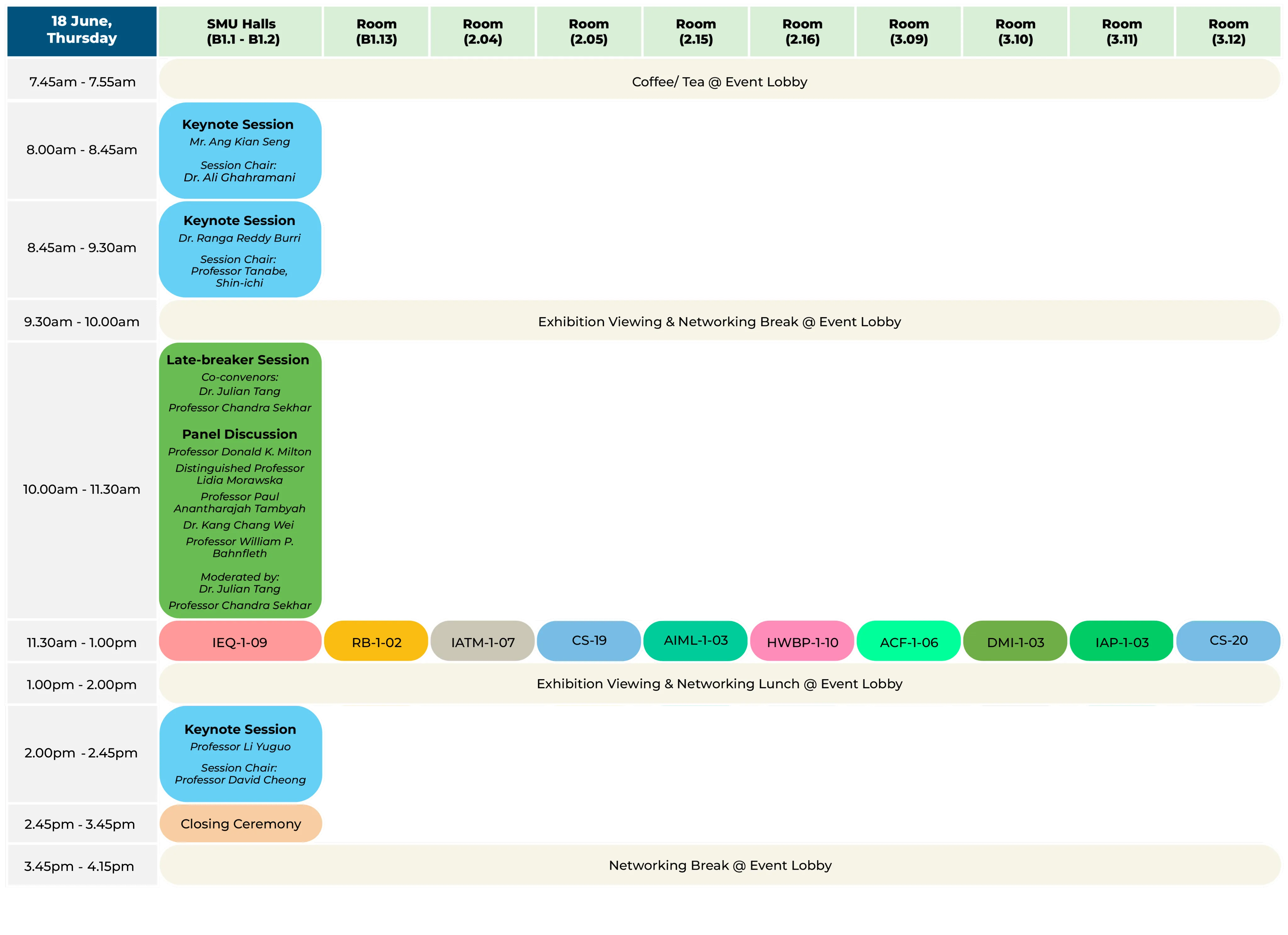
All sessions will be held at Singapore Management University (SMU) located at 55 Armenian Street, Singapore.
Main Venues:
• SMU Hall (Main) - Plenary sessions and ceremonies
• SMU Hall (Poster) - Poster presentations
• Event Lobby - Meals, breaks, and networking
• Multiple Breakout Rooms - Parallel technical sessions








Social Programme Details